Gentle brain injury exercises, such as slow stretching, balance work, and guided coordination drills, help rebuild focus and coordination safely by engaging the brain without overwhelming it.
According to the Journal of Neurosurgery, an estimated 69 million people worldwide experience a traumatic brain injury each year, highlighting how widespread brain injury really is.
In Newburgh, IN, a close-knit river town where daily routines, work, and family life matter deeply, the impact of a brain injury can be especially disruptive to independence and confidence.
The encouraging news is that gentle, guided exercises can help restore focus and coordination, supporting brain recovery without overwhelming the body. With the right movements practiced consistently, individuals in Newburgh can take steady, empowering steps toward regaining control and clarity in everyday life.
What Is a Brain Injury?
A brain injury occurs when the brain is damaged by trauma or other medical events, affecting how a person thinks, moves, or feels. These injuries can range from mild concussions to severe trauma or illness, and they often disrupt focus, coordination, and everyday function.
Types of brain injuries:
- Traumatic Brain Injury (TBI): Caused by external forces like falls, car accidents, or sports injuries
- Acquired Brain Injury (ABI): Results from internal medical events such as strokes, oxygen deprivation, or infections
- Concussions: A common mild TBI that can temporarily affect memory, balance, and concentration
Understanding the type and severity of a brain injury helps guide recovery strategies, including gentle exercises designed to improve focus, coordination, and overall function.
What Types of Exercises Help Improve Focus After a Brain Injury?
Targeted exercises that combine mental and physical tasks can help retrain focus and coordination. These activities stimulate the brain while encouraging safe movement, supporting recovery without overloading the nervous system.
Examples include:
- Cognitive-motor exercises: Walking while counting steps or recalling words engages both memory and movement
- Memory and sequencing drills: Simple card games, puzzles, or step-by-step tasks improve attention and planning
- Dual-task activities: Tossing a ball while naming colors or objects strengthens concentration under mild challenge
Consistent practice of these exercises is a key part of senior brain recovery, helping older adults regain focus, coordination, and confidence in everyday activities.
Gentle Exercises for Improving Balance After a Brain Injury
Maintaining balance is essential for preventing falls and boosting confidence in daily activities. Gentle, controlled exercises can retrain the nervous system while keeping movement safe for older adults.
Effective balance exercises include:
- Heel-to-toe walking: Slowly walk in a straight line, placing the heel of one foot directly in front of the toes of the other
- Single-leg stands: Hold onto a chair or countertop and lift one foot, aiming to maintain posture for 10-20 seconds
- Tai Chi or seated balance routines: Slow, flowing movements enhance stability and coordination without strain
- Side steps or gentle obstacle navigation: Practice stepping sideways over a soft object or line on the floor to challenge coordination
You can practice these exercises at home or with a local therapist, making balance training an important part of post-injury brain support.
Gentle Exercises for Improving Coordination After a Brain Injury
Coordination exercises help the brain and body work together more efficiently, making everyday tasks easier and safer. Simple, repetitive movements can rebuild motor pathways while keeping seniors active and engaged.
Effective coordination exercises include:
- Hand-to-eye drills: Tossing a soft ball against a wall or to a partner helps improve timing and reaction
- Finger sequencing games: Tapping fingers in patterns or using a deck of cards challenges fine motor skills and memory
- Footwork routines: Gentle step patterns or mini obstacle courses strengthen lower-body coordination
- Object transfer tasks: Moving cups, blocks, or small items from one spot to another enhances precision and control
These focus and coordination tips provide practical, safe ways to regain control and confidence after a brain injury.
How Physical Therapy Supports Brain Injury Recovery
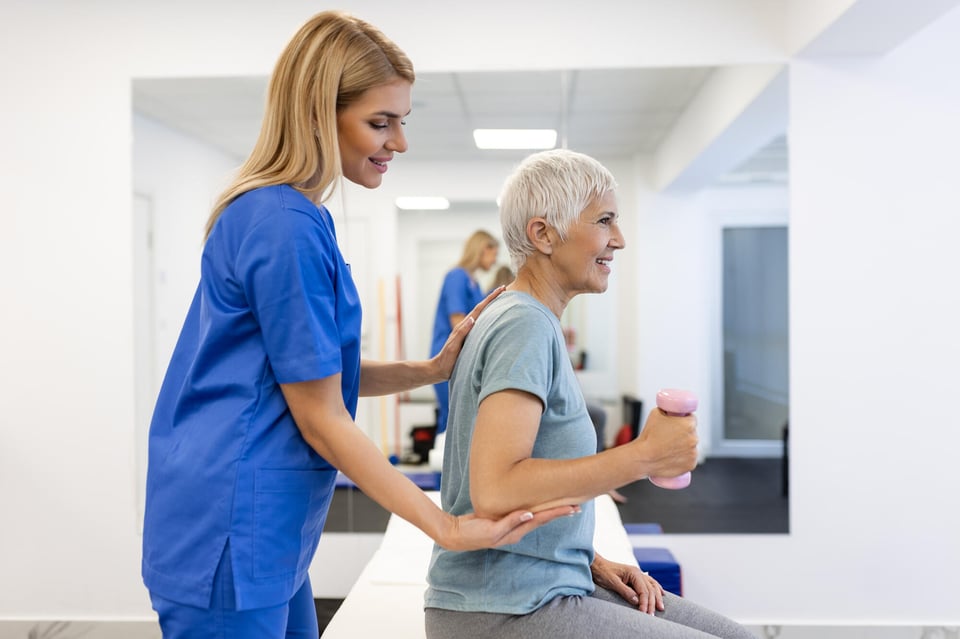
Physical therapy is a cornerstone of post-injury rehabilitation, helping seniors rebuild strength, mobility, and confidence safely. Therapists design personalized programs that address each individual's unique challenges, combining exercises for focus, balance, and coordination using safe movements for aging adults.
Key benefits of physical therapy include:
- Targeted movement training: Repetitive, guided exercises help retrain the brain and muscles to work together efficiently
- Fall prevention and safety: Therapists teach techniques and provide tools to reduce the risk of falls at home or in the community
- Functional independence: Therapy focuses on everyday activities, from walking and reaching to dressing and carrying objects
- Progress tracking and adjustments: Regular sessions allow therapists to monitor improvements and modify exercises as recovery advances
Frequently Asked Questions
What Is the Difference Between Traumatic and Acquired Brain Injuries?
Traumatic brain injuries result from external forces like falls or accidents, while acquired brain injuries stem from medical events such as strokes or oxygen deprivation.
How Often Should I Do Brain Injury Exercises?
Consistency matters more than intensity. Short, daily sessions of 10-20 minutes are usually recommended, gradually increasing as tolerance improves
Can These Exercises Be Done Safely at Home?
Yes, many focus, balance, and coordination exercises can be done at home, but it's best to consult a therapist first to ensure movements are safe and tailored to your needs.
What Are Some Cognitive Exercise Ideas for Post-Injury Recovery?
Ideas include memory games, word recall drills, sequencing tasks, and combining mental challenges with physical movement, like walking while naming objects.
Supporting Recovery With Brain Injury Exercises
Recovery after a brain injury involves consistent practice, mindful movement, and supportive care that strengthens focus, balance, and coordination. The brain injury exercises outlined throughout this guide offer gentle, practical ways to stay engaged and move with confidence as part of a holistic recovery approach.
For individuals and families in Newburgh, Indiana, choosing the right supportive environment can make all the difference.
Bell Oaks Place Assisted Living offers an inviting assisted living community with a wide range of amenities designed to enhance quality of life and complement your rehabilitation goals. Residents enjoy private apartments with kitchenettes and generous storage, chef-prepared meals in a community dining room, beautiful outdoor courtyards and lounges, a wellness center, high-speed Wi-Fi, a library, salon services, and a full calendar of social and recreational activities.
Scheduling a visit to Bell Oaks Place could be an important step in your recovery journey!