
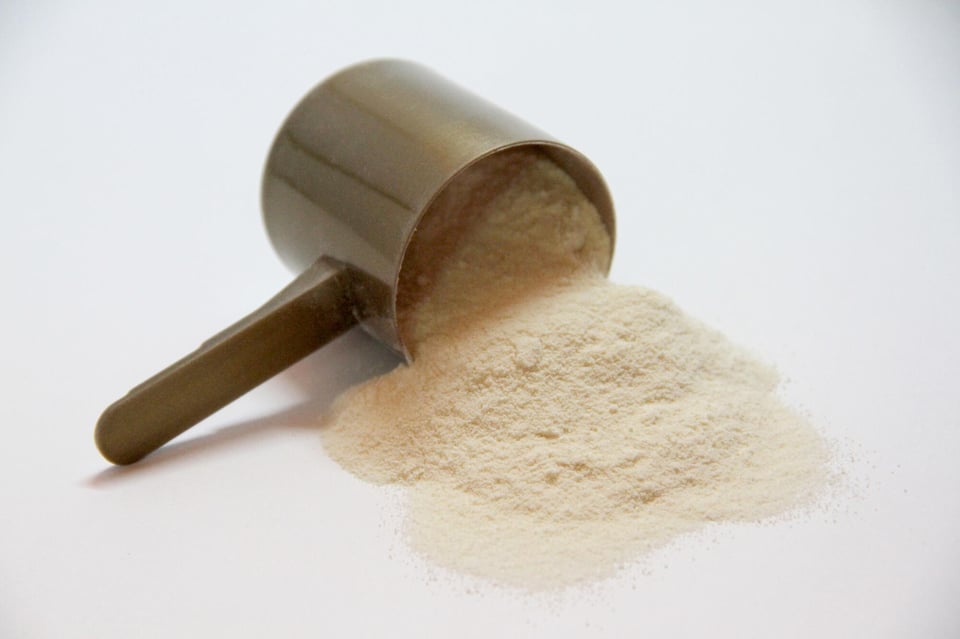
The best protein powder for seniors over 70 helps seniors over 70 maintain muscle strength and energy levels. It contains 20-30 grams of quality protein per serving with minimal sugar and added nutrients like vitamin D.
According to the National Council on Aging, seniors should aim for 1-1.2 grams of protein per kilogram of body weight per day. This increased requirement surprises many seniors who assume their nutritional needs decrease with age. Your body needs extra protein to combat age-related muscle loss and maintain strength for daily activities.
In Newburgh, IN, a charming riverside town known for its scenic riverfront parks along the Ohio River, seniors are discovering that nutrition for aging adults involves eating smart. Bell Oaks Place recognizes that proper nutrition forms the foundation of healthy aging.
What Is the Best Protein Powder for a 70-Year-Old?
The best protein powder for seniors over 70 depends on your specific needs and preferences. Several options work well for seniors over 70.
Whey Protein
Whey protein stands out as the gold standard for seniors. It contains all nine essential amino acids your body needs. This protein helps preserve muscle mass in older adults.
Your body absorbs whey quickly. This rapid absorption makes it perfect for post-activity recovery or as a meal supplement.
Plant-Based Proteins
Plant-based options work well if you avoid dairy or prefer non-animal sources. Pea protein, soy protein, and blends containing rice and hemp proteins all provide complete nutrition. These options often include added fiber that improves digestion.
Collagen Protein
Collagen protein supports joint health, skin elasticity, and bone strength. While it doesn't contain all essential amino acids, combining it with other protein sources creates a well-rounded approach.
Many seniors find collagen easier to digest than other protein types. This gentleness on your stomach matters when digestive sensitivity increases with age.
Should a 70-Year-Old Woman Take Protein Powder?
Yes, protein powder offers a lot of benefits for women over 70. Protein needs in seniors increase with age, making supplementation valuable. Here's why it is important:
Combating Muscle Loss
Women naturally lose muscle mass faster after menopause. The Office on Women's Health reports that women can lose up to 3-5% of muscle mass per decade after age 30, with acceleration after 60.
As a result, you need enough healthy aging nutrients to combat this loss. Protein powder provides an easy way to meet increased protein requirements. This convenience matters when appetite decreases.
Maintaining Independence
Strong muscles mean better balance and reduced fall risk. Falls represent a major concern for seniors, particularly women with osteoporosis. At senior living in Newburgh, our exercise classes complement proper nutrition to help residents maintain strength and stability.
Supporting Bone Health
Adequate protein intake supports bone density. Your bones need protein just as much as calcium and vitamin D. The combination creates stronger bones that resist fractures.
Simplifying Nutrition
Protein powder makes meeting daily requirements easier. As part of your assisted living meal tips, you can mix protein powder into:
- Smoothies
- Oatmeal
- Yogurt
This simplicity becomes valuable when cooking for one feels overwhelming. A protein shake requires minimal effort but delivers maximum nutritional benefit.
How Do I Choose the Best Protein Powder for Seniors Over 70?
Selecting the best protein powder for seniors over 70 requires evaluating several key factors. Not all powders suit senior nutritional needs equally.
Check the Protein Content
Look for powders providing 20-30 grams of protein per serving. This amount aligns with optimal muscle protein synthesis for seniors. Avoid products with excessive protein amounts.
Watch for Sugar Content
Some flavored protein powders contain high amounts of added sugar. Excessive sugar intake contributes to inflammation and blood sugar imbalances. Natural sweeteners like stevia or monk fruit offer better alternatives to sugar.
Consider Digestibility
Digestive changes occur naturally with aging. Choose protein powders specifically formulated for easy digestion. Look for these digestibility features:
- Digestive enzymes: Help break down protein for better absorption
- No artificial additives: Reduce stomach upset and bloating
- Hydrolyzed proteins: Pre-broken down for easier processing
- Lactose-free options: Important if dairy sensitivity develops
Starting with smaller servings helps your body adjust. Gradually increase amounts as your digestive system adapts to the new supplement.
Evaluate Added Ingredients
Many protein powders contain vitamins and minerals beneficial for seniors. You should look for protein powders with:
- Vitamin D: Supports bone health and immune function
- Calcium: Works with protein to maintain bone density
- B Vitamins: Aid energy metabolism and cognitive function
- Probiotics: Support digestive health and nutrient absorption
Choose powders with these additions when possible. They provide extra nutritional value beyond basic protein content.
Frequently Asked Questions
Can a 70-Year-Old Regain Muscle Mass?
Seniors can rebuild lost muscle mass at any age. They can respond to strength training and adequate protein intake. However, the process takes slightly longer.
You'll need consistent resistance exercise combined with sufficient protein consumption. Progressive overload matters more than intensity. If you can gradually increase weight or repetitions over time, you can produce results.
What Happens When Seniors Don't Get Enough Protein?
Insufficient protein intake creates serious health consequences for older adults. Muscle wasting accelerates rapidly, leading to weakness that affects daily activities like rising from chairs.
Your immune system weakens without adequate protein, making you more susceptible to infections. Additionally, it takes a long time for you to heal from illnesses or injuries. Wounds take longer to close, and surgical recovery extends considerably.
What Is the Best Time to Eat Protein?
Distributing protein evenly throughout the day produces better results. Your body can only process a limited amount of protein per sitting, roughly 25-35 grams, depending on your size and activity level.
Morning protein consumption jumpstarts metabolism. It helps maintain steady energy levels throughout the day. Bedtime protein can support overnight muscle recovery.
Experience Nutrition-Focused Care That Transforms Senior Living
The best protein powder for seniors over 70 improves your nutritional wellness. It ensures your body receives the attention it deserves.
Bell Oaks Place Assisted Living brings years of specialized expertise in senior nutrition to Newburgh, IN. Our senior living community features an experienced culinary team dedicated to providing meal support that meets the unique dietary requirements of our 70+ residents. We craft personalized nutrition solutions that address your individual health needs, preferences, and protein requirements.
Contact us today and find a community where dietary support for 70+ adults is expertly managed.