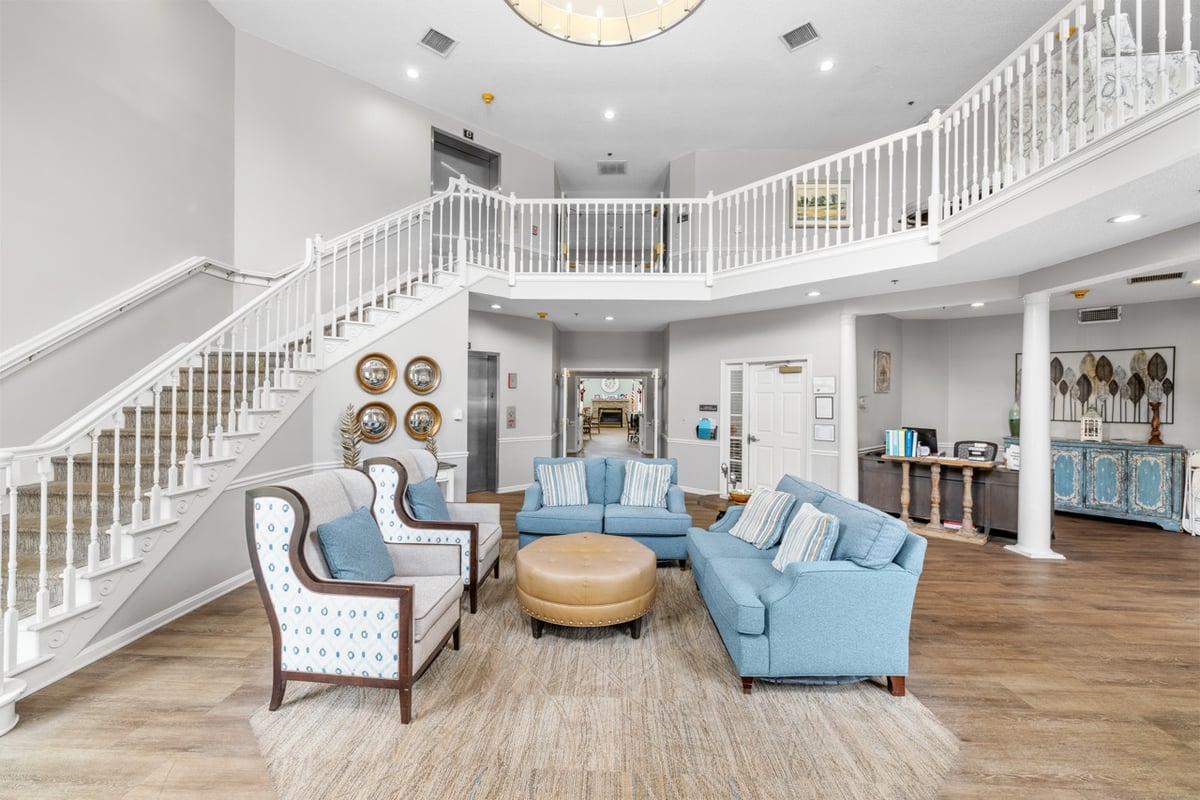

Bell Oaks Place Assisted Living can help seniors in Newburgh, IN, with brain recovery so that residents experience good cognitive health. This is possible through routines of morning mind and body activation, midday cognitive engagement and social connection, and evening wind-down and brain restoration.
According to a study by Hale et al., around 2 out of 3 Americans experience some level of cognitive impairment at an average age of approximately 70 years. This is unfortunate, as retirement should be a time for you to enjoy your golden years.
If you're a senior in Newburgh, IN, whether you need dementia or post-injury brain support, Bell Oaks Place Assisted Living has the right environment for you to experience excellent brain recovery. As a result, you'll fully enjoy your retirement.
What Are 5 Signs Your Brain Is in Trouble?
Occasional forgetfulness can be a normal part of aging. However, certain patterns may be red flags. Five of the main ones to watch out for are:
- Persistent memory loss: Frequent inability to recall recent information that disrupts daily life
- Difficulty with familiar tasks: Struggling to complete routine activities
- Disorientation in time or place: Being lost in places once familiar, or confusion about dates, seasons, or where you are
- Changes in mood or personality: Noticeable shifts like increased anxiety, apathy, or withdrawal from social activities
- Trouble with language or communication: Frequent trouble finding words, following conversations, or repeating statements
If you notice these symptoms consistently, then it's important to consult a healthcare provider for a full evaluation.
What Helps Brain Recovery?
Brain wellness in aging is important, even for those without cognitive issues. But it's even more important if you do, so here are our top cognitive recovery tips in terms of daily routines.
Morning Mind and Body Activation Routine
A strong brain recovery routine starts in the morning, and this can happen with enrichment through movement.
You should begin with light physical movement, such as:
- Stretching
- Walking
- Chair exercises
Because these movements increase blood flow and oxygen to the brain, this helps improve alertness, focus, and mood for the rest of the day.
You should pair this with mental stimulation, such as:
- Reading
- Doing a crossword puzzle
- Journaling
- Listening to educational content
In addition, eat a balanced, protein-rich breakfast to stabilize your blood sugar levels. That way, you'll have better concentration and memory.
By starting your day with this routine, you'll set a positive tone for the day. Through daily repetition and structure, you'll reduce mental fog and reinforce healthy brain pathways.
Midday Cognitive Engagement and Social Connection Routine
The middle of the day is ideal for activities that actively challenge your brain. It's also a great time to reinforce emotional well-being.
You should include mentally stimulating tasks, such as:
- Puzzles
- Strategy games
- New skill learning
- Hobbies
All of the above can strengthen neural connections and support cognitive resilience.
The afternoon is also perfect for social interaction. You can:
- Have lunch with others
- Call a friend
- Join a group activity
Not only can this stimulate communication skills, but it can also improve your mood and reduce stress.
If possible, take a short walk or do light physical activity afterward. This can help consolidate the benefits by improving circulation and reducing fatigue.
Evening Wind-Down and Brain Restoration Routine
The evening should be a time to calm the nervous system and prepare your brain for deep, restorative sleep. This is crucial for memory processing and brain repair.
To facilitate this, your routine can include relaxing activities, such as:
- Light stretching
- Reading
- Listening to calm music
- Practicing breathing exercises
- Meditation
In addition, reduce screen time and bright lights, as this will help your brain naturally produce melatonin. Having a consistent bedtime schedule can also further strengthen your brain's internal clock and support better cognitive function over time.
Frequently Asked Questions (FAQs)
What Is the Average Monthly Cost for Assisted Living in Indiana?
According to World Population Review, the average annual cost of assisted living is $51,390, or $4,282.50 per month. This is a bit lower than the national average, which is $55,090 a year, or $4,590.83 per month.
Do note that costs will vary significantly by city. Also, the apartment chosen, amenities included, and the community's reputation. So it's best to ask for quotes and understand what's included before committing to a certain community.
Does Medicare Pay for Assisted Living in Indiana?
No, Medicare doesn't pay for assisted living costs in Indiana or anywhere else in the US. It's designed to cover medically necessary services, like:
- Hospital stays
- Doctor visits
- Some short-term skilled nursing care
What it doesn't cover is long-term custodial care, such as room and board.
What Are the 7 Ways To Keep Your Brain Healthy?
Keeping your brain healthy requires a holistic lifestyle approach that supports cognition, mood, and overall brain resilience. Seven ways to do so are to:
- Stay physically active: Regular exercise boosts blood flow to the brain, supports heart health, and may slow cognitive aging
- Eat a balanced diet: Diets like the MIND or Mediterranean approach can help protect brain function
- Challenge your mind: Engaging in mentally stimulating activities, puzzles, learning new skills, or hobbies promotes cognitive reserve
- Get enough sleep: Quality sleep that lasts 7-9 hours helps the brain consolidate memory and clear metabolic waste
- Stay socially connected: Regular interaction with friends and loved ones supports emotional well-being and cognitive processing
- Manage stress: Mindfulness, meditation, or relaxation techniques reduce chronic stress that can harm brain cells
- Protect your physical health: Control blood pressure, blood sugar, and avoid smoking or excessive alcohol use
Come Tour Bell Oaks Place Assisted Living
We at Bell Oaks Place Assisted Living strive to have healthy routines for seniors. No matter what mobility or cognitive level they're at, our residents will experience personalized care in our community.
In addition, we have wonderful amenities, events, and services. All these elements come together for the best retirement possible.
Contact us now to find out more about senior living in Newburgh, IN. Bell Oaks Place Assisted Living has pet therapy available on our premises to help our residents lead fulfilling and happy lives.